



What is an anal fissure?
An anal fissure is a small tear in the thin skin lining the anal canal. It usually happens when a hard or large stool stretches the opening, though bouts of diarrhoea can cause it too. The tear sets off a spasm of the internal sphincter muscle, the spasm reduces blood flow, and poor blood flow stops the tear healing. That is why a fissure can linger for months.
Typical symptoms
- Sharp, cutting pain while passing stool, often described as "passing glass"
- A burning or throbbing ache that lasts from a few minutes to a couple of hours afterwards
- A streak of bright red blood on the tissue or stool
- Fear of going to the toilet, which leads to holding back, harder stools and more tearing
Many people assume this is piles. Piles more often bleed without much pain; a fissure is usually painful with only a little blood. Our guide on piles vs fissure vs fistula explains the differences.
Acute vs chronic fissure
An acute fissure is a fresh tear, present for less than about six weeks. A chronic fissure has lasted longer than six to eight weeks; it often has a small skin tag (sentinel pile) at its outer end and the muscle fibres may be visible in its base. Acute fissures usually heal with simple care. Chronic fissures are more stubborn.
When to see a surgeon
See a surgeon if pain with motions has lasted more than two weeks, if bleeding keeps recurring, or if you have tried fibre and ointments for six to eight weeks without healing. A fissure that is not in the usual midline position, or more than one fissure, also needs a closer look, because it can be a sign of another condition such as inflammatory bowel disease or an infection.
Diagnosis: what happens at the consultation
Dr. Sanjit Gogoi will ask about your pain, bowel habits, diet, any childbirth history (for women) and previous anal problems. Most fissures can be seen simply by gently parting the buttocks, so the examination is short.
If the area is very tender, he will not force an internal examination at the first visit. He may start treatment and examine more fully once the pain has settled, or under anaesthesia at the time of a procedure. If there are warning signs, or the fissure looks unusual, a colonoscopy or other tests may be advised.
Treatment options for anal fissure
Treatment moves step by step, from the simplest measures to surgery only when needed. The plan is individual and decided with you at the consultation.
1. Conservative care (for all fissures)
- Soft, regular stools: fibre (whole grains, vegetables, fruit, isabgol), 2 to 3 litres of water, and a stool softener if needed
- Warm sitz baths for 10 to 15 minutes, especially after motions, to relax the muscle spasm
- A local anaesthetic gel before motions for short-term relief
- Not straining or holding back, and not sitting on the toilet for long
Most acute fissures heal within a few weeks with these measures.
2. Prescription ointments
Ointments that relax the internal sphincter, such as diltiazem or glyceryl trinitrate (GTN), improve blood flow to the tear. They are usually applied for six to eight weeks and heal a good proportion of chronic fissures. GTN can cause headaches in some people; diltiazem tends to cause fewer side effects.
3. Botox (botulinum toxin) injection
An injection into the internal sphincter relaxes it for about two to three months, giving the fissure time to heal. It is an option when ointments fail and you prefer to avoid cutting the muscle, or when the risk of control problems is higher. The effect wears off, so some fissures come back.
4. Lateral internal sphincterotomy (LIS)
For a chronic fissure that has not healed with ointments, LIS is the standard operation in international guidelines. A small, measured part of the internal sphincter is divided to the side of the anus, away from the fissure, to relieve the spasm for the long term. Studies report that most chronic fissures heal after LIS, with fewer recurrences than with ointments or botox.
5. Laser sphincterotomy and laser fissure treatment
A laser can be used to perform the sphincterotomy and to treat the fissure bed and sentinel tag. For many patients this means usually less pain than conventional surgery and a quick return to routine. The evidence base for laser is smaller than for conventional LIS, and Dr. Sanjit will explain where it fits for you.
Forceful anal stretching is no longer advised by surgical guidelines because of the risk of uncontrolled sphincter damage.
How the procedure is done
- Before: routine blood tests and a fitness check; a simple enema on the morning of the procedure.
- Anaesthesia: usually spinal or a short general anaesthetic; botox can sometimes be given with sedation and local anaesthesia.
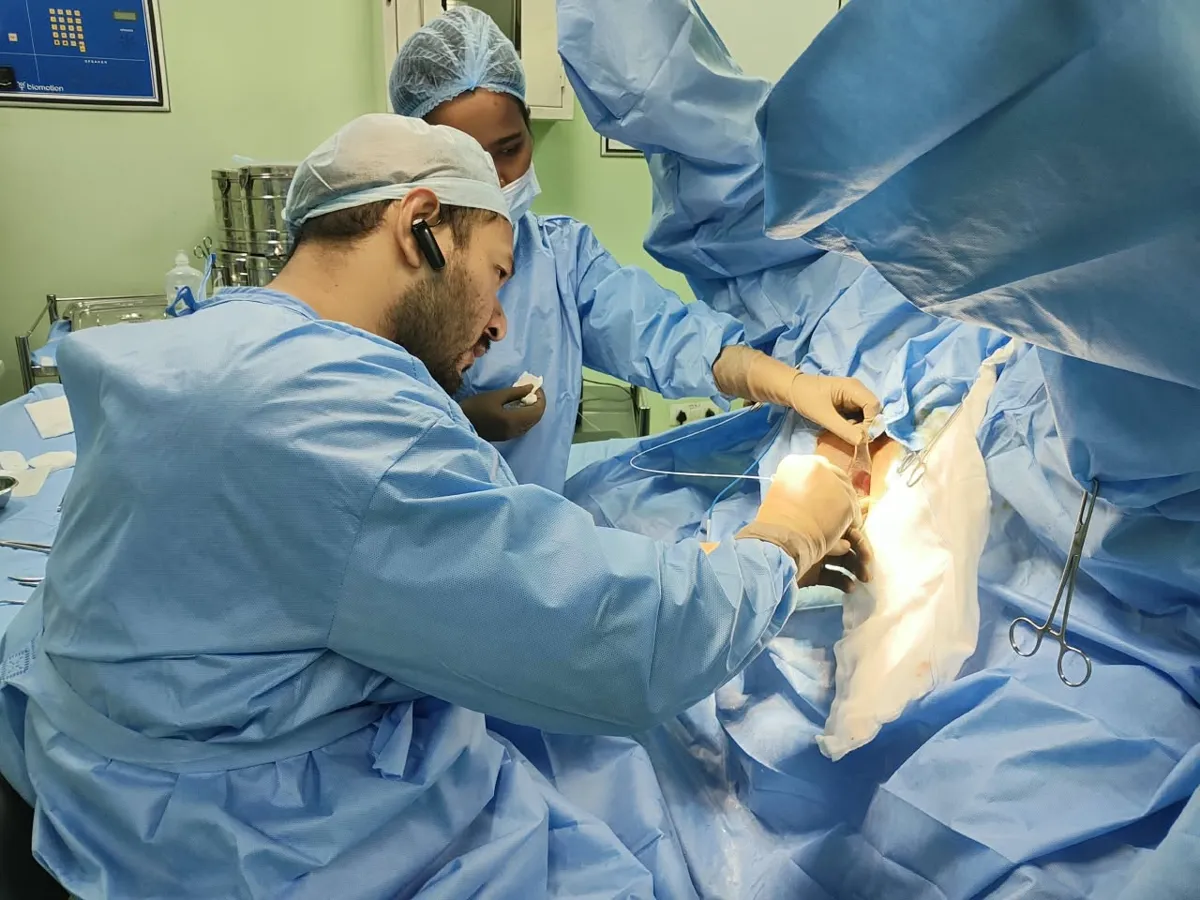
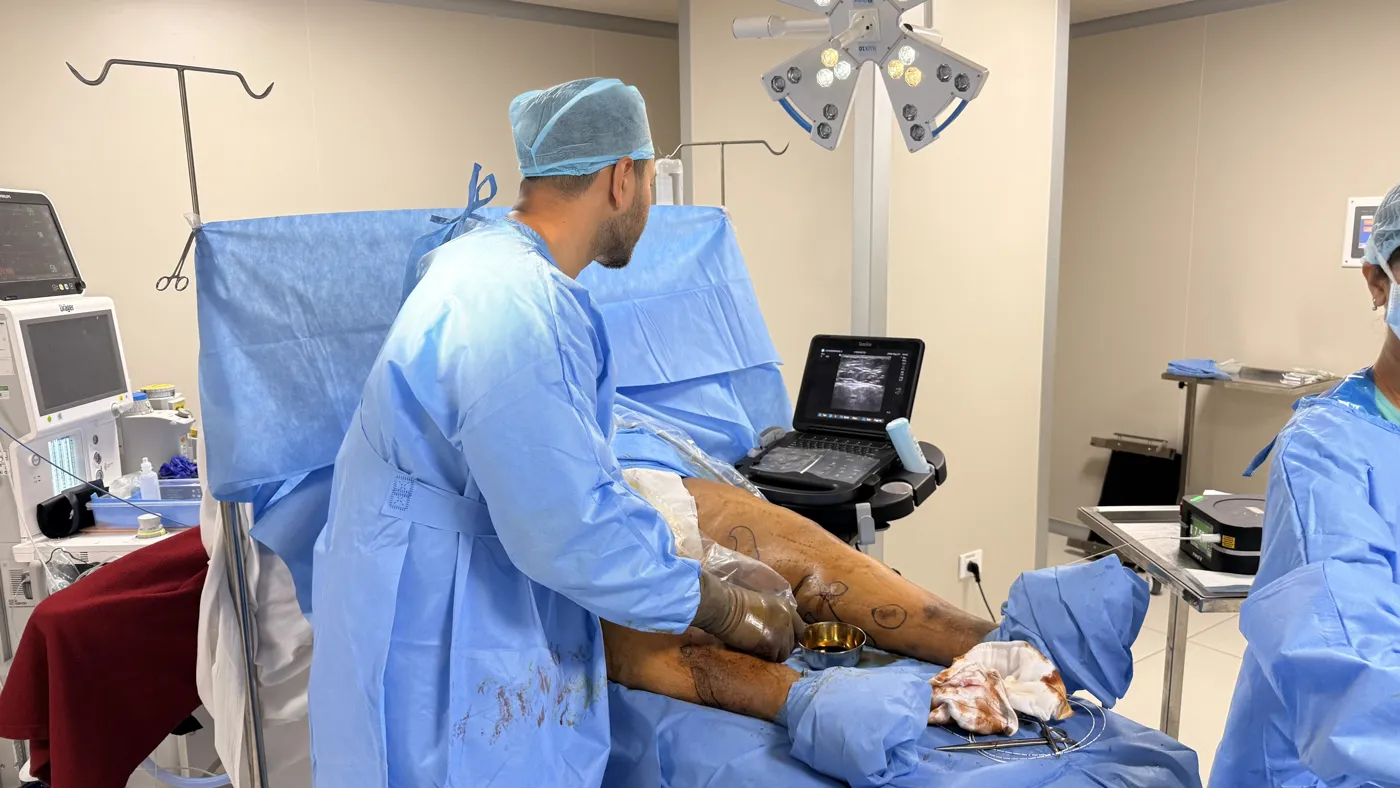
- The procedure: through a tiny cut or with a laser fibre, a measured portion of the internal sphincter is divided. Any sentinel tag or papilla is removed and sent for testing. It usually takes 15 to 30 minutes.
- Going home: most patients go home the same day once they have passed urine and pain is controlled, though this depends on your health and the anaesthesia.
Recovery: what to expect
| Time | What most patients notice |
|---|---|
| First 2 to 3 days | The sharp tearing pain with motions often eases quickly; some soreness at the site |
| Days 2 to 5 | Back to desk work for most people |
| Weeks 1 to 2 | Light spotting is common; continue sitz baths and stool softeners |
| Weeks 4 to 8 | The fissure usually heals fully in this period |
Keep stools soft for several weeks after the procedure, and keep up fibre and water for good. A hard stool can tear the skin again even after successful treatment.
Risks, including the effect on control
The risk that matters most to patients is incontinence. Because sphincterotomy divides part of a control muscle, some people notice difficulty holding back gas, or slight soiling of underwear. Studies report a wide range: in most series it affects a small minority, is usually mild and often improves over the first few weeks, but a small number of people are affected in the long term.
The risk is higher in women who have had vaginal deliveries, older patients, people with loose stools and anyone who has had previous anal surgery. In these groups Dr. Sanjit will discuss botox or other sphincter-sparing options first. Other risks include bleeding, infection, a small abscess and recurrence of the fissure.
Cost of fissure treatment in Bangalore
The cost depends on whether you need only medicines, a botox injection, LIS or laser treatment, along with the hospital, room type and tests. Indicative 2026 ranges, including laser for fissure, are on the piles and fissure surgery cost page. For an estimate for your case, book a consultation.
Why patients from Sarjapur Road, HSR and Bellandur see Dr. Sanjit
Dr. Sanjit holds an MS in General Surgery and the MRCS from the Royal College of Surgeons of Edinburgh, with about 18 years in general, laparoscopic and laser surgery. Laser proctology, including piles and fistula, is a regular part of his practice.
Many fissure patients never need surgery, and he will say so if that applies to you. When surgery is needed, he talks through the control risk openly so that you can make the decision with full information.
He consults and operates at SPARSH Hospital, Sarjapur Road (Carmelaram) from 10 am to 5 pm, and sees patients at the evening clinic in Doddakannelli (3rd Floor, SGR-2, Sarjapur Main Road) from 5 pm to 8 pm, Monday to Saturday, by appointment. For families in Sarjapur Road, HSR Layout and Bellandur, that is a short drive (roughly 20 minutes from Bellandur and 25 from HSR Layout, traffic permitting), with an evening slot after work if you need one.
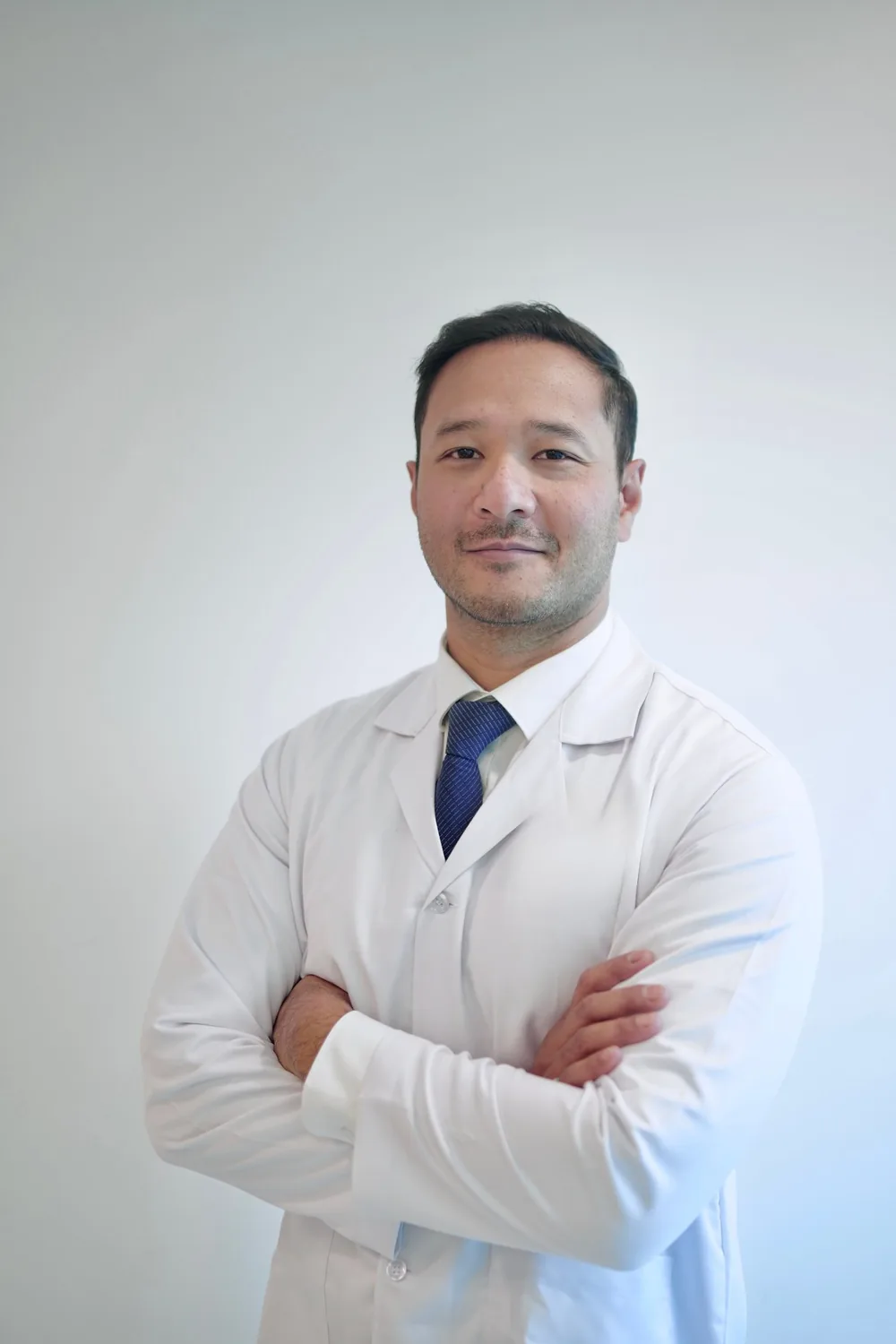
MBBS, MS (General Surgery), MRCS (Edinburgh). General and Minimal Access Surgeon with about 18 years in general, laparoscopic and laser surgery. Consults at SPARSH Hospital, Sarjapur Road (10 am – 5 pm) and his evening clinic in Doddakannelli (5 – 8 pm). KMC Reg. No. 96096. More about Dr. Sanjit