


What is circumcision, and why is it done?
Circumcision is a minor operation to remove the foreskin, the fold of skin that covers the head of the penis. Some men choose it for religious, cultural or personal reasons. Many more need it because the foreskin has become a medical problem.
Common reasons men see a surgeon
- Phimosis: a tight foreskin that cannot be pulled back, or pulls back only with pain or splitting
- Paraphimosis: a foreskin that has been pulled back and is stuck behind the head of the penis, causing swelling (an emergency)
- Recurrent balanoposthitis: repeated redness, itching, discharge or infection under the foreskin, often worse in men with diabetes
- Lichen sclerosus (BXO): a scarring skin condition that turns the foreskin white, tight and fragile
- Painful splitting or bleeding of the foreskin during sex
These problems are common, and many men put off seeing a doctor out of embarrassment. A consultation is private and matter-of-fact, and the conversation stays with you.
When do you need surgery?
Not every tight foreskin needs an operation. In boys, the foreskin often stays non-retractile for years and loosens on its own. In teenagers and adults with mild tightness, a steroid cream applied for several weeks, along with gentle stretching, works for a good number of men.
Circumcision is usually advised when the tightness does not improve with cream, when infections keep coming back, when lichen sclerosus is present, after an episode of paraphimosis, or when the foreskin splits or makes sex painful. It is also done on request for personal or religious reasons once you have had time to think it through.
Diagnosis: what happens at the consultation
Dr. Sanjit Gogoi asks about your symptoms, how long they have been there, any creams you have tried, and conditions such as diabetes that make infections more likely. A short, respectful examination shows how tight the foreskin is, whether the skin is scarred, and whether there is any infection to settle first.
Blood sugar is often checked, because repeated foreskin infections can be the first sign of diabetes. If surgery is advised, he explains the method, what the result will look like, the type of anaesthesia and the recovery in plain words, and answers questions you may feel awkward asking.
Treatment options
Steroid cream and hygiene
For mild phimosis, a course of steroid cream with gentle retraction is a reasonable first step. Treating infections and keeping blood sugar well controlled also helps.
Preputioplasty (foreskin-preserving surgery)
For some men with simple tightness, a small cut that widens the foreskin opening can keep the foreskin. It is not suitable for lichen sclerosus or repeated infections, where the tightness tends to return.
Circumcision
Removing the foreskin is the definitive treatment for scarring phimosis, recurrent balanoposthitis and lichen sclerosus. It can be done by the conventional method, with the edges stitched using fine dissolvable sutures, or with a disposable stapler device that cuts and seals in one step. Dr. Sanjit has been doing stapler circumcision since the technique first came to Bangalore, and he also does the conventional method. Each has its place, and he discusses which suits your anatomy and condition.
How circumcision is done
- Before: a fitness check, blood sugar and routine tests where needed. Any active infection is treated first.
- Anaesthesia: most adults have a local anaesthetic block that numbs the penis completely, so you are awake but do not feel the procedure. General anaesthesia is used for younger patients or when you prefer it.
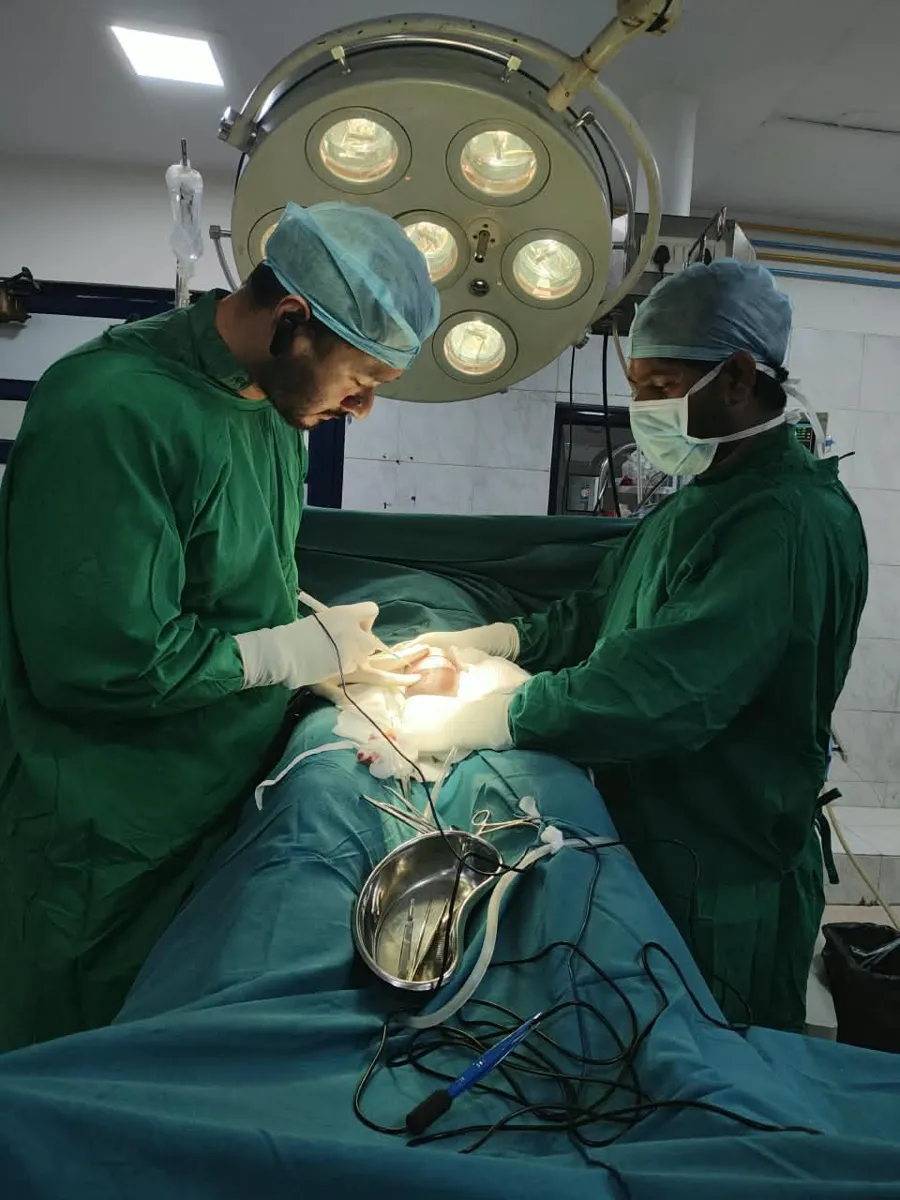
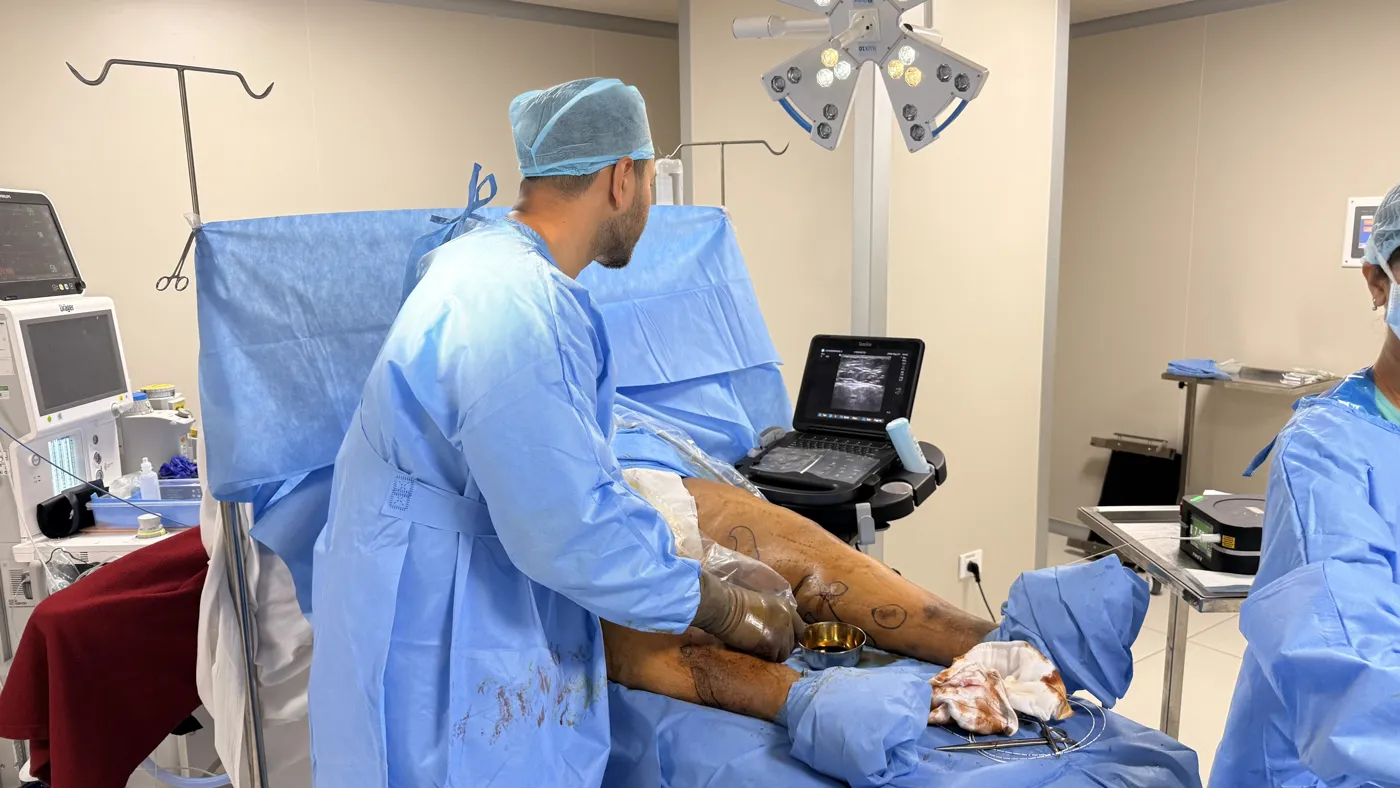
- The procedure: the foreskin is measured and removed, bleeding points are sealed carefully, and the skin edges are joined with fine dissolvable stitches or with the stapler device.
- Dressing: a light dressing is applied, and you pass urine before going home.
The operation usually takes 20 to 40 minutes. Most men go home the same day.
Recovery: what to expect
| Time | What to expect |
|---|---|
| First 2 to 3 days | Swelling and soreness; pain tablets, loose cotton briefs, rest at home |
| Days 2 to 5 | Most men return to desk work; showering as advised |
| Weeks 1 to 3 | Stitches dissolve or stapler rings come away; swelling settles steadily |
| Weeks 4 to 6 | Sexual activity, gym and cycling for most men, once fully healed |
Some swelling of the remaining skin is normal and can take a few weeks to settle. Keep the area clean and dry, avoid tight clothing, and avoid two-wheeler riding for the first week if it is uncomfortable. Dr. Sanjit reviews the wound at a follow-up visit, and you can reach him by phone with questions in between.
Risks and how they are reduced
- Bleeding: the most common early problem, usually minor. Careful sealing of vessels and rest on the first day reduce it.
- Infection: uncommon, treated with dressings and antibiotics. Good blood sugar control lowers the risk in men with diabetes.
- Swelling that lasts a few weeks, and temporary sensitivity of the head of the penis.
- Cosmetic concerns, such as uneven skin, which careful measurement helps avoid.
- Rare: narrowing of the urine opening, or injury to the penis. These are uncommon in experienced hands.
Cost, and why patients from Sarjapur Road, HSR and Bellandur see Dr. Sanjit
The cost of circumcision depends on the method (conventional or stapler), the type of anaesthesia, whether it is done as day care, any tests needed and the hospital. Medically needed circumcision is covered by many health insurance policies, while circumcision done purely by choice usually is not. For an estimate, book a consultation.
Dr. Sanjit holds an MS in General Surgery and the MRCS from the Royal College of Surgeons of Edinburgh, with about 18 years and more than 6,000 open, keyhole and laser procedures. Circumcision is a routine part of his work alongside hydrocele surgery, lump removal and hernia repair.
He consults and operates at SPARSH Hospital, Sarjapur Road (Carmelaram) from 10 am to 5 pm, and sees patients at the evening clinic in Doddakannelli (3rd Floor, SGR-2, Sarjapur Main Road) from 5 pm to 8 pm, Monday to Saturday, by appointment. For men in Sarjapur Road, HSR Layout and Bellandur, an evening slot means you can be seen after work.
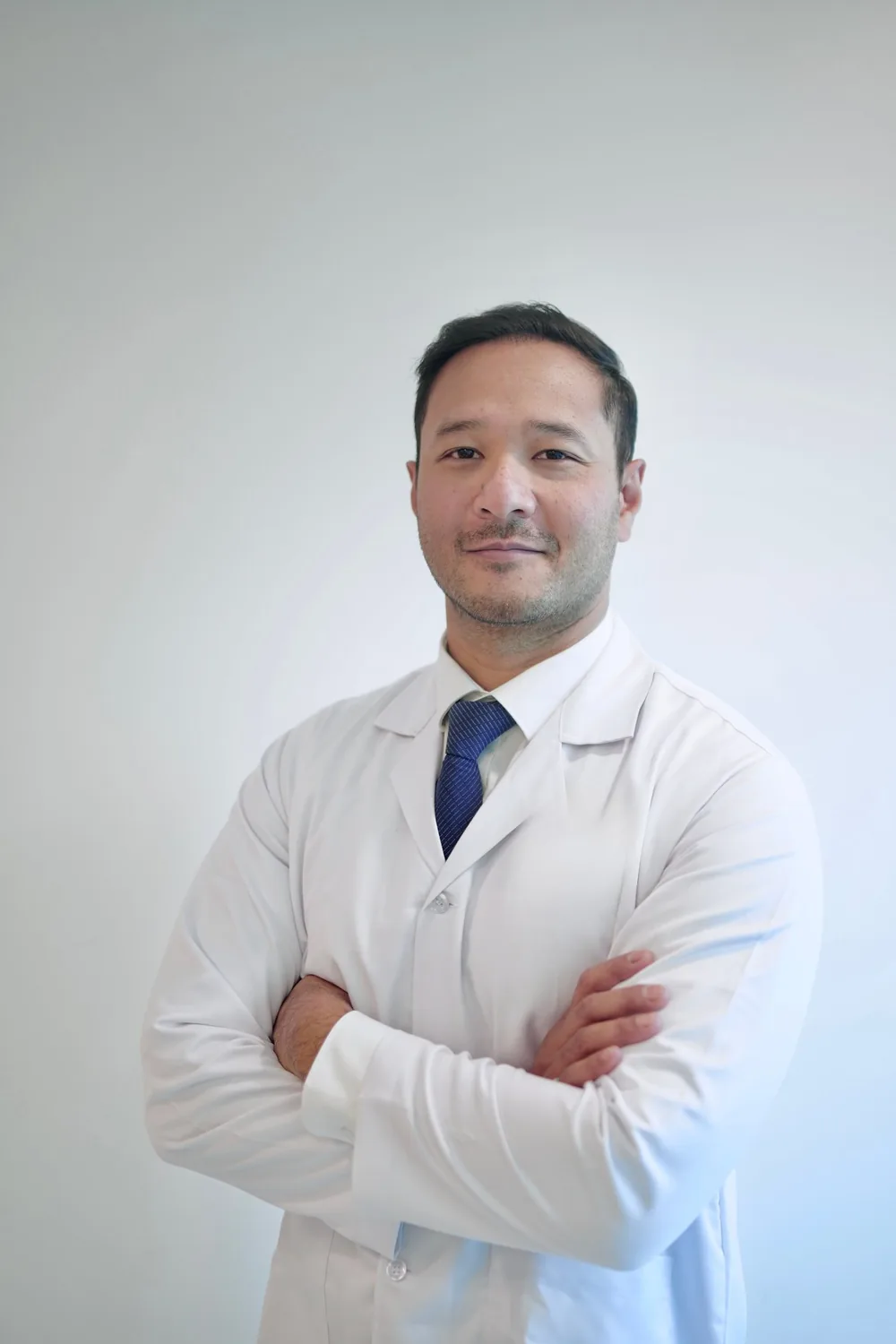
MBBS, MS (General Surgery), MRCS (Edinburgh). General and Minimal Access Surgeon with about 18 years in general, laparoscopic and laser surgery. Consults at SPARSH Hospital, Sarjapur Road (10 am – 5 pm) and his evening clinic in Doddakannelli (5 – 8 pm). KMC Reg. No. 96096. More about Dr. Sanjit