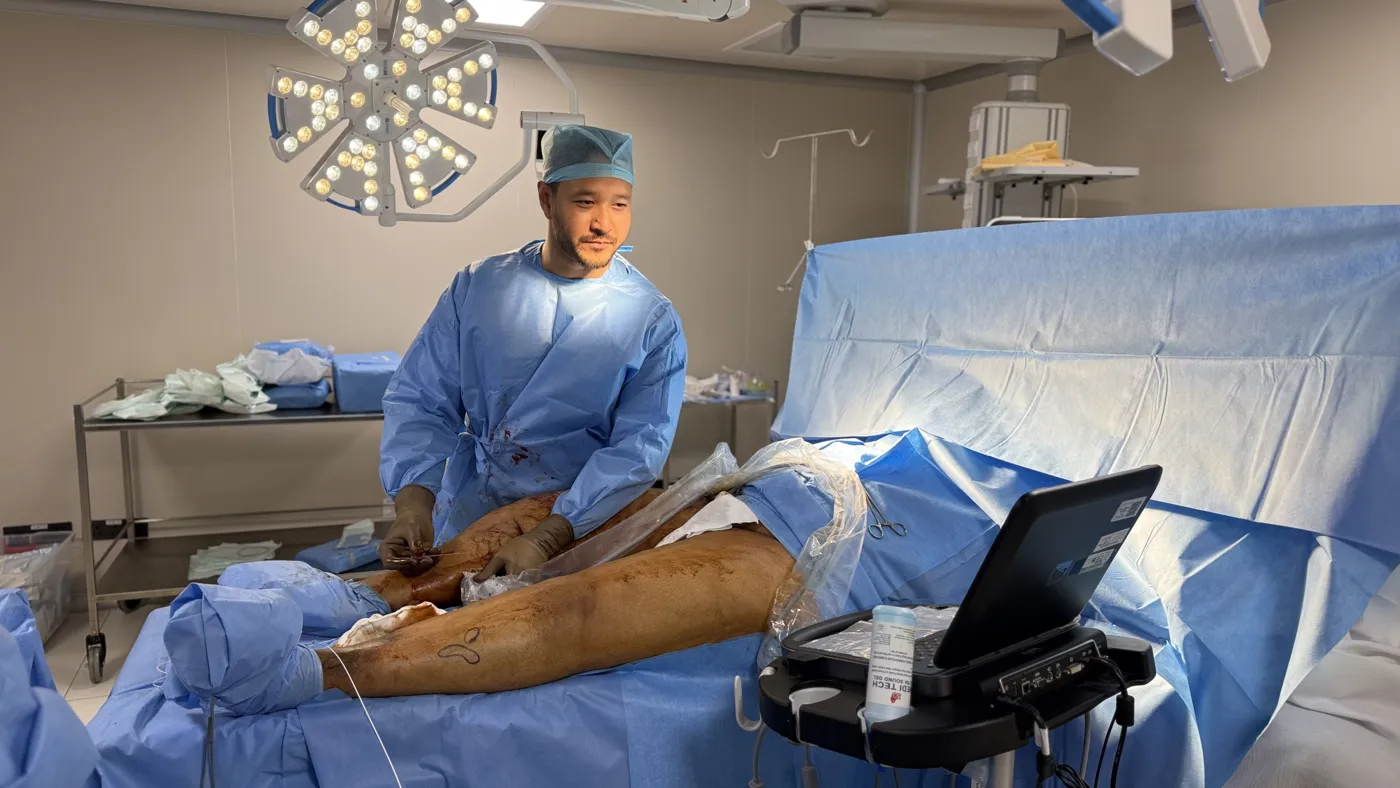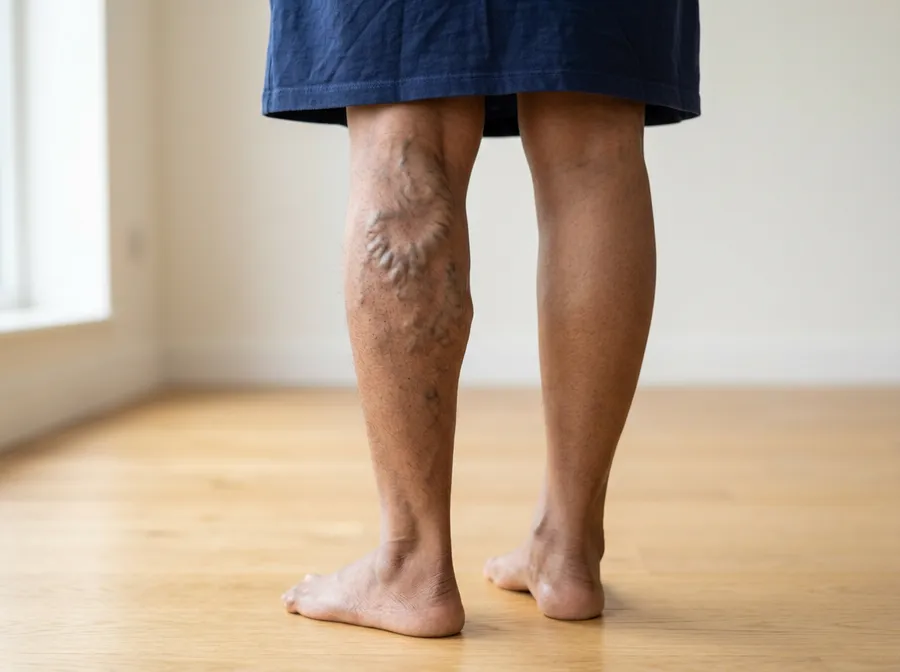


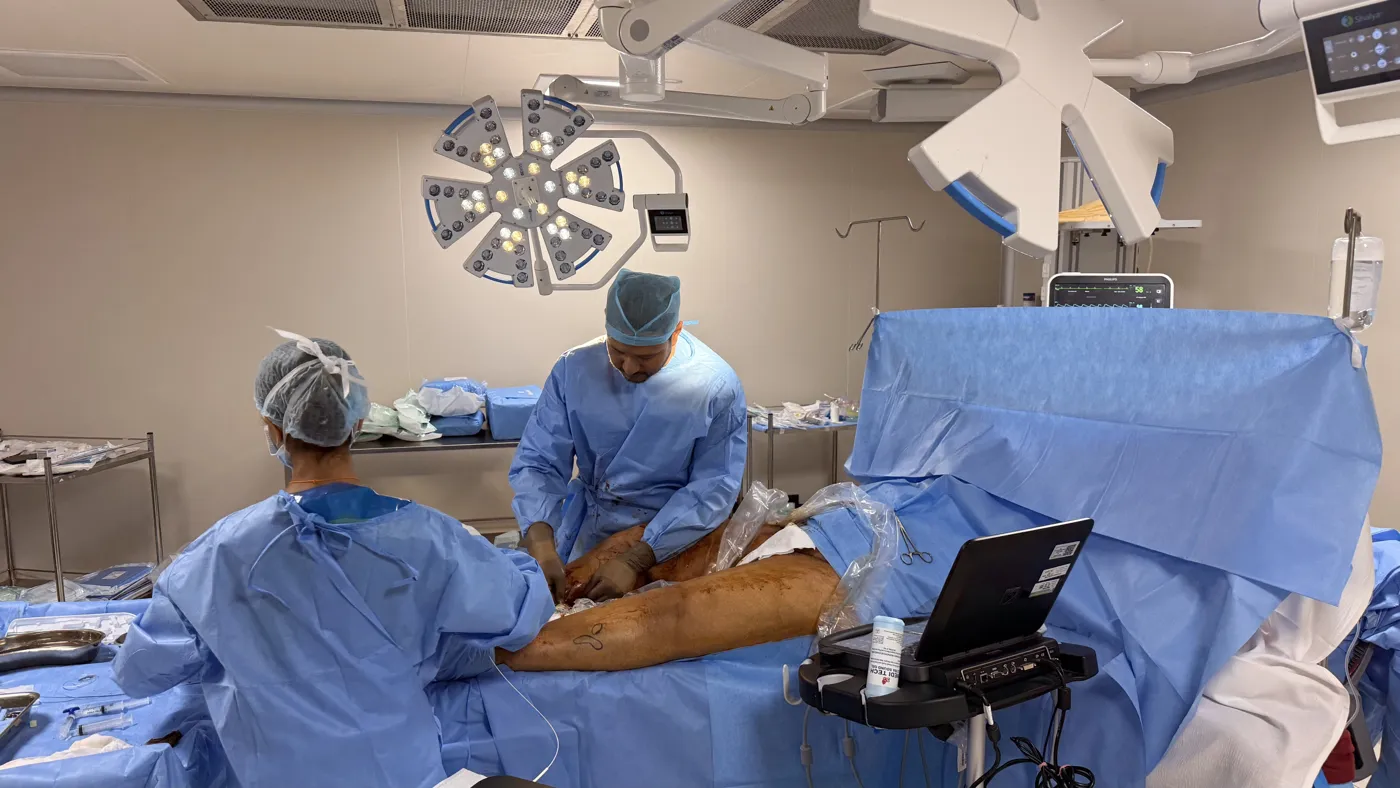

What varicose vein treatment costs in Bangalore
Most patients in Bangalore pay somewhere between about ₹60,000 and ₹2,20,000 for endovenous treatment of varicose veins, depending on the method, whether one or both legs are treated and the hospital. The table gives indicative 2026 ranges for a hospital package.
| Treatment | Indicative range (2026) |
|---|---|
| EVLA laser, one leg | ₹60,000–₹1,30,000 |
| EVLA laser, both legs | ₹1,00,000–₹2,20,000 |
| Cyanoacrylate glue closure, one leg | ₹90,000–₹1,80,000 |
| Foam sclerotherapy, per session | ₹5,000–₹20,000 |
| Open surgery (ligation and stripping) | ₹40,000–₹90,000 |
| Venous Doppler scan | ₹2,500–₹5,000 |
Indicative, 2026. Varies by hospital, room category and case. These figures are not Dr. Sanjit Gogoi's fee and not a quote. With glue, both legs can sometimes be treated from one kit, so the cost for two legs is worked out case by case.
The ranges are wide because packages in Bangalore vary a lot between a small day-care centre and a large multi-speciality hospital, and between a day-care bed and a single room. Two people with the same diagnosis can also need very different work: one short vein in one leg, or two long veins and several side branches in both legs.
If you are not sure you need treatment at all, start with varicose veins: when to worry or the main page on varicose veins treatment.
What is included in the package
Hospital packages differ, so always ask for the inclusions in writing. A typical day-care package for EVLA or glue includes:
- Surgeon's and anaesthesia fees, or the local anaesthetic and monitoring
- Operating theatre or procedure room charges
- The laser fibre or glue kit and other single-use consumables
- Ultrasound guidance during the procedure
- A day-care bed or short room stay, nursing and routine medicines
Often not included, or billed separately:
- The first consultation and the diagnostic venous Doppler
- Pre-procedure blood tests and ECG
- Compression stockings
- The follow-up scan and any extra foam sessions for remaining branches
- Extra nights, a higher room category, or treatment of unrelated conditions
Factors that change the cost
- Method: glue closure usually costs more than EVLA because the glue kit is expensive. Foam alone costs the least per session but may need repeat sessions.
- One leg or both: treating both legs in one sitting costs more, though usually less than two separate procedures.
- Number of veins: treating both the great and small saphenous veins, or extra perforator veins, adds time and consumables.
- Side branches: phlebectomy or foam for bulging branches in the same sitting adds to the bill, or is planned later.
- Anaesthesia: local anaesthetic alone costs less than sedation, spinal or general anaesthesia.
- Hospital and room category: day care, a ward, a twin-sharing or a single room change the package, and many items are priced by room category.
- Your health: diabetes, heart conditions, blood thinners or a past clot may need extra tests, a physician review or an overnight stay.
- Complex disease: veins that have come back after earlier surgery, skin changes or an ulcer may need a detailed scan, extra sessions and wound care.
Also budget for the things outside the hospital bill: a pair of medical compression stockings if advised, a review visit, and a few days away from work for most people. Planning the date around a long weekend often keeps leave to a minimum.
Tests before treatment and their approximate cost
| Test | Why it is done | Approximate cost |
|---|---|---|
| Venous Doppler (duplex) scan | Maps the leaking veins and checks the deep veins | ₹2,500–₹5,000 |
| Routine blood tests and ECG | Checks fitness for the procedure | ₹2,000–₹5,000 |
| Follow-up scan | Confirms the vein is closed and rules out a clot | Ask if included |
If you already have a recent Doppler from another centre, bring it. It may still be repeated or extended if it does not show what is needed to plan treatment, such as vein widths and the exact point of the leak.
Insurance and cashless treatment
Most Indian health insurance policies cover medically necessary varicose vein treatment done in a hospital. Coverage for specific methods, such as glue closure, varies between insurers, so check before you plan. Cosmetic treatment of spider veins is generally not covered.
Points to check in your policy:
- Waiting period: varicose veins are a named condition in many policies, often with a waiting period of 1–2 years from the policy start. Employer group policies often have shorter or no waiting periods, so check with HR.
- Pre-existing condition: if the veins were present before you bought the policy, a separate pre-existing disease waiting period may apply.
- Day-care cover: EVLA and glue are often day-care procedures. Confirm your policy covers day care.
- Room rent limits and sub-limits: a room above your eligibility can reduce the amount paid on the whole bill, not just the room. Some policies also cap specific procedures.
- Consumables: items such as stockings may not be payable.
For cashless treatment, the hospital's TPA (insurance) desk sends a pre-authorisation request with the doctor's notes and your Doppler report. Approval is the insurer's decision, so bring your policy details and ID to the consultation and start the process a few days before the planned date.
If you pay first and claim later (reimbursement), keep the discharge summary, the Doppler report, itemised bills, pharmacy receipts and payment proofs. Most insurers set a time limit for submitting a reimbursement claim after discharge, so file it promptly.
Laser or glue vs open surgery: is the extra cost worth it?
Open surgery has the lowest package price, but international guidelines, including NICE, recommend endovenous treatment as the first choice for most patients. The extra cost buys:
- No groin incision and no stripping of the vein, so less pain and bruising for most patients
- Local anaesthetic instead of spinal or general anaesthesia in most cases
- Day care, with walking the same day
- A return to desk work in a few days, rather than one to two weeks or more
Between EVLA and glue, studies report similar results in suitable veins. Glue avoids the numbing injections and often the stockings, which some patients value, but it costs more. If budget is a concern, EVLA is a well-established option with long-term evidence behind it. Open surgery still suits some veins that are very twisted or very wide, and Dr. Sanjit will tell you honestly if that applies to you.
There is also a cost to leaving symptomatic veins for too long. Once skin darkening, eczema or an ulcer appears, care becomes longer and more expensive, with repeated dressings and visits. Treating at the right time is usually simpler for your leg and your budget.
How to get an exact estimate
- Share your report: send your Doppler report or a short note on your symptoms on WhatsApp to +91 99160 26256.
- Consultation: Dr. Sanjit examines your legs, reviews or arranges the Doppler, and recommends one method with his reasons.
- Written estimate: the hospital billing team prepares a package estimate for that method, your room category and any extra items.
- Insurance check: if you are using insurance, the TPA desk confirms what your policy is likely to cover.
Consultations are at SPARSH Hospital, Sarjapur Road (10 am to 5 pm) and the evening clinic in Doddakannelli (5 pm to 8 pm), Monday to Saturday. Patients from HSR Layout and Bellandur are about 20 to 25 minutes away. Book a consultation to get a plan and an estimate for your legs.
MBBS, MS (General Surgery), MRCS (Edinburgh). General and Minimal Access Surgeon with about 18 years in general, laparoscopic and laser surgery. Consults at SPARSH Hospital, Sarjapur Road (10 am – 5 pm) and his evening clinic in Doddakannelli (5 – 8 pm). KMC Reg. No. 96096. More about Dr. Sanjit