


What is a pilonidal sinus?
A pilonidal sinus is a small tract under the skin in the cleft between the buttocks, just above the tailbone. Loose hairs are pushed into the skin by friction and pressure, the body reacts to them as a foreign material, and a pocket of inflammation forms. It is not related to poor hygiene, though keeping the area clean helps.
It is most common in young men between their late teens and mid-thirties, especially those with thick body hair, a deep buttock cleft, extra weight, or jobs that involve long hours of sitting. In Bangalore we see it often in IT professionals at desks all day, cab drivers and people with long daily two-wheeler commutes. Women get it too, less often.
Common symptoms
- One or more tiny pits in the midline of the buttock cleft, sometimes with hair poking out
- A painful, tender swelling at the upper end of the cleft that makes sitting difficult
- Discharge of pus or blood, often with a bad smell
- A swelling that bursts, settles and returns
When to see a surgeon
Pits that cause no symptoms usually need no operation; hair removal and hygiene are enough, and a surgeon can confirm this for you. See a surgeon if you have discharge, repeated swelling, or pain that keeps returning.
Diagnosis: what happens at the consultation
Pilonidal sinus is diagnosed by examination. Dr. Sanjit Gogoi looks at the number and position of the pits, any side openings, how far the disease extends and whether there is an active abscess. He will check that the problem is not a fistula from the anus or a skin infection, which can look similar.
Scans are rarely needed. He then explains which treatment fits the extent of your disease, how long recovery will take, and how to prevent it coming back.
Treatment options for pilonidal sinus
The right option depends on whether there is an abscess, how many pits and tracts there are, and whether the disease has come back after earlier surgery. The plan is decided with you at the consultation.
Abscess drainage
An acute abscess is opened and drained under local or short general anaesthesia, ideally slightly off the midline. Pain eases quickly. Some people heal fully after drainage; many need definitive treatment of the sinus a few weeks later, once the infection has settled.
Minimally invasive options: laser and endoscopic treatment
For limited disease, the pits are removed through small openings and the tract is cleaned out. It may then be sealed with a laser fibre (often called SiLaC) or cleaned under direct vision with a small endoscope (EPSiT-type treatment). Wounds are small, and for many patients there is usually less pain than conventional surgery and a return to desk work within a few days. Studies report somewhat higher recurrence for these methods in some series, and they suit smaller, simpler disease better than extensive tracts.
Excision with flap closure
For extensive or recurrent disease, the whole sinus is removed and the wound is closed with a flap of nearby tissue that moves the scar away from the midline and flattens the cleft. Common techniques are the Limberg (rhomboid) flap, the Karydakis flap and the cleft-lift. Studies report lower recurrence with off-midline flap closure than with a simple midline stitch.
Excision and leaving the wound open
Sometimes the wound is left open to heal from the base. This is used less often today because healing takes many weeks of dressings, but it has a place for infected or very irregular disease.
How the procedure is done
- Before: routine blood tests and a fitness check. Hair around the area is trimmed.
- Anaesthesia: local anaesthesia with sedation for small laser or endoscopic procedures; spinal or general anaesthesia for flap surgery.
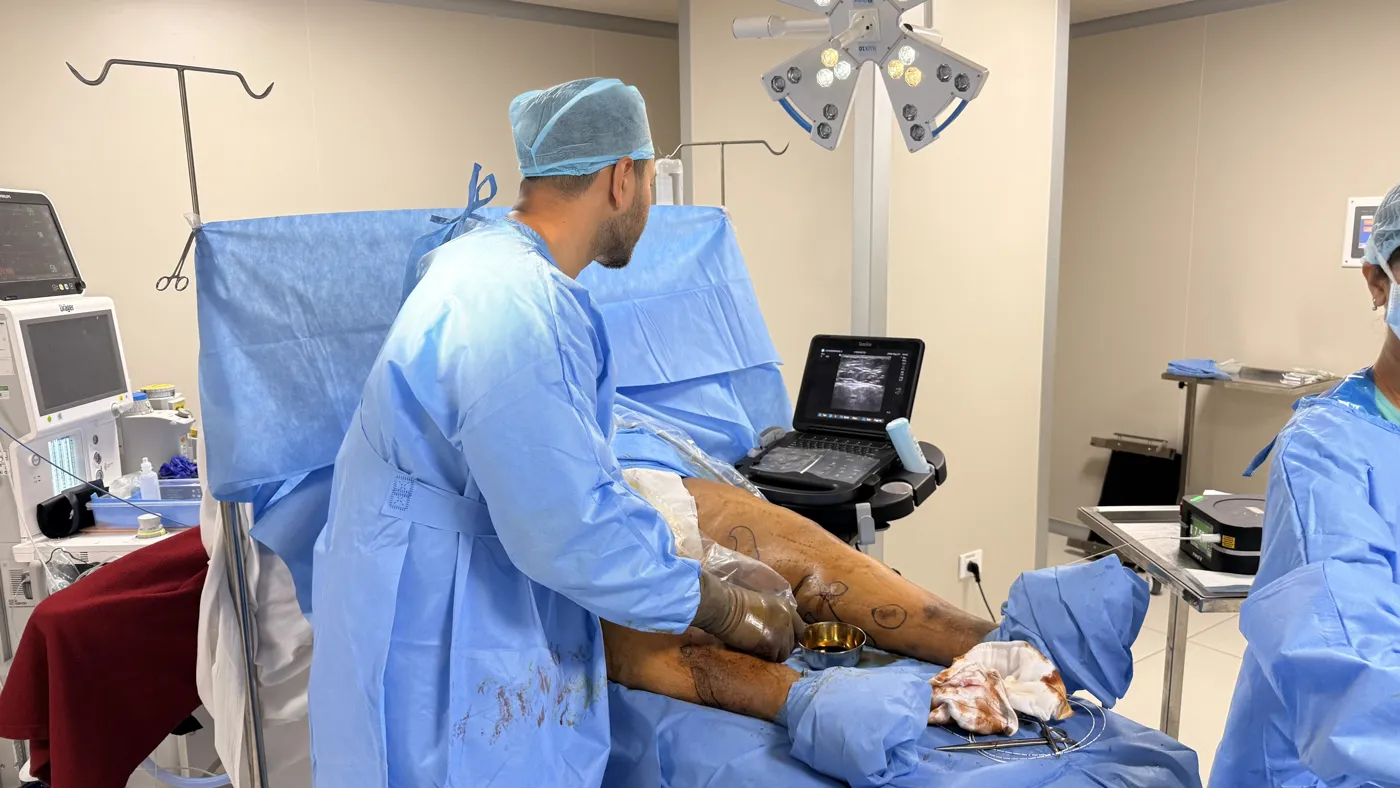
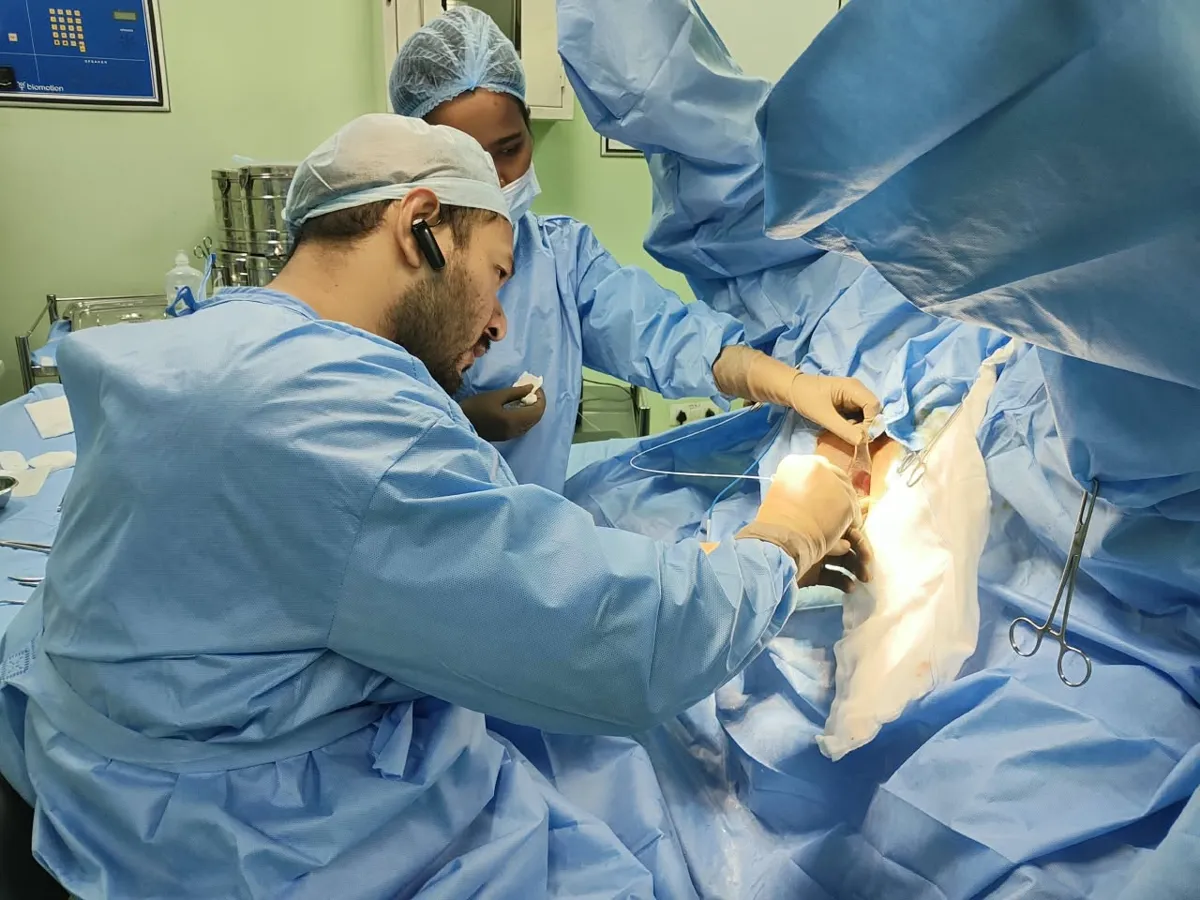
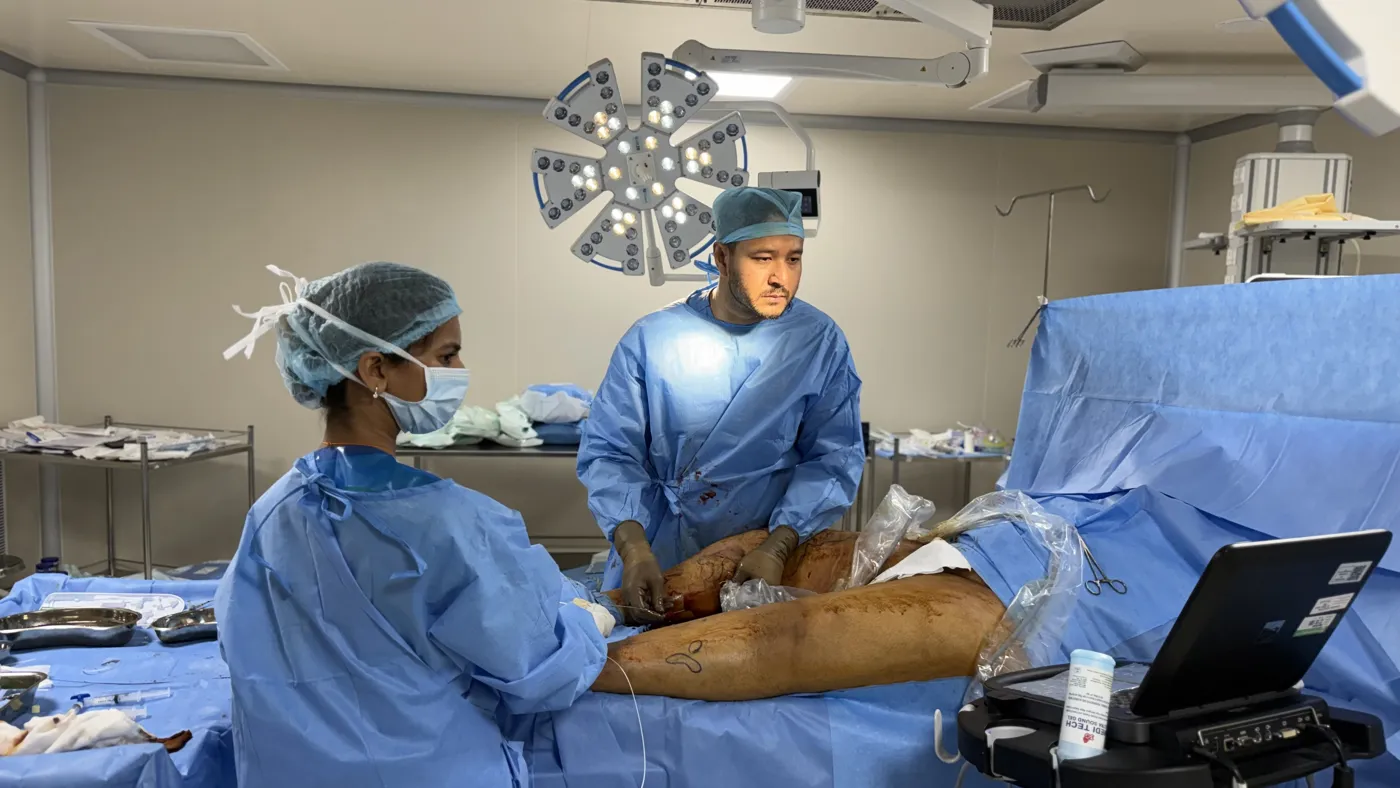
- The procedure: you lie face down. A blue dye may be used to show all the tracts. Laser and endoscopic procedures usually take 20 to 40 minutes; flap surgery about 45 to 90 minutes. A small drain is sometimes placed after flap surgery.
- Going home: minimally invasive procedures are usually day care; after flap surgery, some patients stay one or two nights. This depends on the procedure and your health.
Recovery: what to expect
| Procedure | Desk work | Sitting and riding |
|---|---|---|
| Abscess drainage | Usually 2 to 4 days | As comfort allows, with dressings |
| Laser or endoscopic | Usually 2 to 5 days | Usually within 1 to 2 weeks |
| Flap surgery | Usually 2 to 3 weeks | Avoid long sitting for 2 to 3 weeks |
Keep the wound clean and dry, attend dressing visits, and avoid long periods of direct pressure on the area early on. A cushion or sitting slightly forward helps at work. Two-wheeler riding and the gym usually wait until the wound is sound.
Risks, recurrence and prevention
Risks include wound infection, delayed healing, collection of fluid under a flap, wound breakdown, numbness near the scar and recurrence. Careful technique, keeping the scar off the midline and good wound care all reduce these. Dr. Sanjit will go through the trade-off between a smaller procedure with quicker recovery and a larger one with lower recurrence for your situation.
Recurrence is the main long-term concern, and hair is the main driver. After healing:
- Hair removal in the cleft, ideally by laser hair reduction, which studies suggest lowers recurrence. Shaving or creams are alternatives.
- Daily hygiene: wash and dry the cleft well, especially after sweating.
- Break up long sitting: stand and walk every 45 to 60 minutes if you have a desk job.
- Weight control, since a deeper cleft holds more friction and hair.
Cost of pilonidal sinus treatment in Bangalore
Cost depends on whether you need abscess drainage, a laser or endoscopic procedure, or flap surgery, along with the hospital, room type and length of stay. Laser procedures include the cost of the fibre. For a guide to how proctology procedures are priced, see the piles and laser surgery cost page, or book a consultation for an estimate for your case.
Why patients from Sarjapur Road, HSR and Bellandur see Dr. Sanjit
Dr. Sanjit holds an MS in General Surgery and the MRCS from the Royal College of Surgeons of Edinburgh, with about 18 years in general, laparoscopic and laser surgery. Laser proctology, including piles, fissure and fistula, is a regular part of his practice.
Pilonidal sinus mostly affects young working people who want to get back to work and college quickly without the problem returning. He explains both sides of that trade-off plainly and plans recovery around your schedule.
He consults and operates at SPARSH Hospital, Sarjapur Road (Carmelaram) from 10 am to 5 pm, and sees patients at the evening clinic in Doddakannelli (3rd Floor, SGR-2, Sarjapur Main Road) from 5 pm to 8 pm, Monday to Saturday, by appointment. For families in Sarjapur Road, HSR Layout and Bellandur, that is a short drive (roughly 20 minutes from Bellandur and 25 from HSR Layout, traffic permitting), with an evening slot after work if you need one.
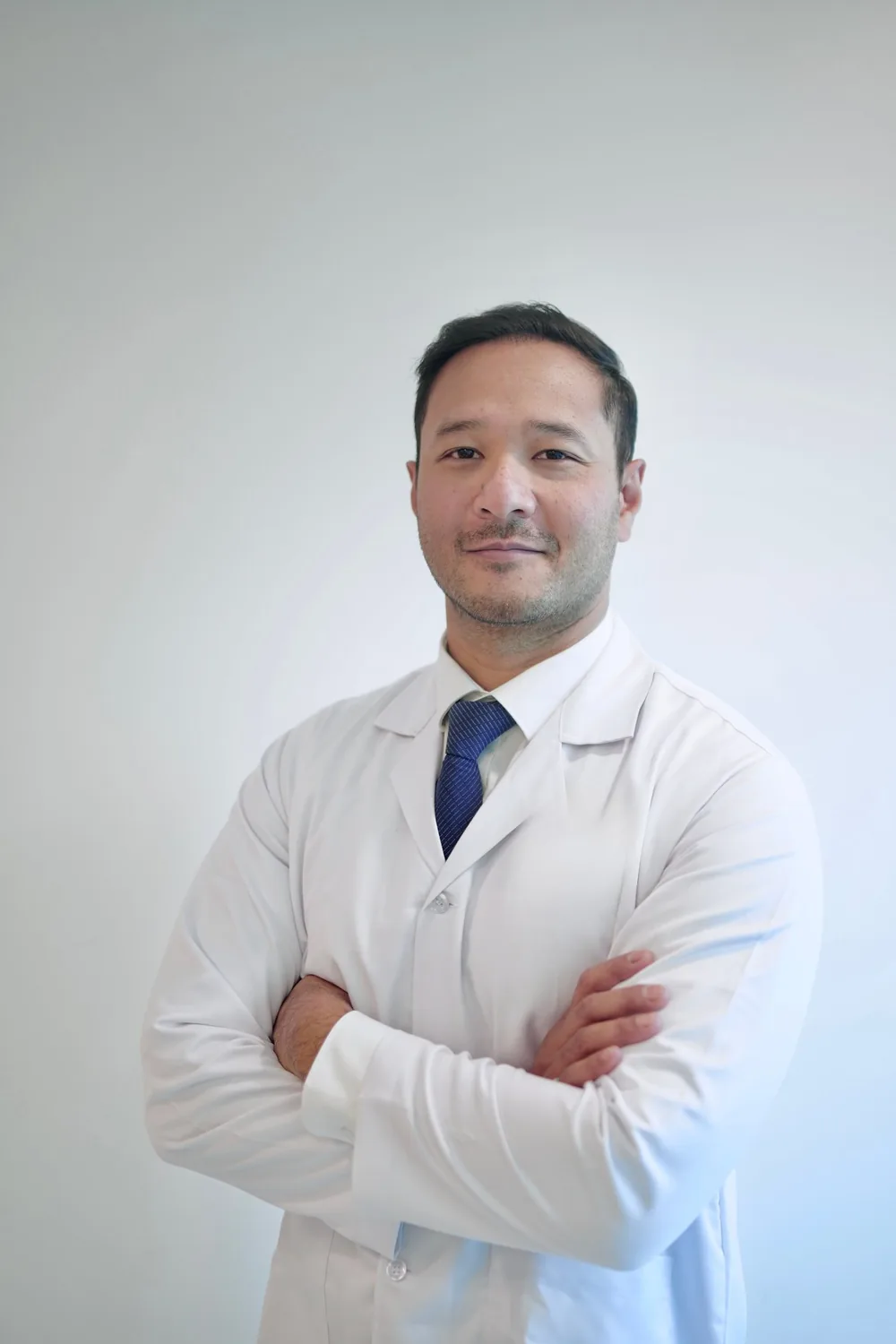
MBBS, MS (General Surgery), MRCS (Edinburgh). General and Minimal Access Surgeon with about 18 years in general, laparoscopic and laser surgery. Consults at SPARSH Hospital, Sarjapur Road (10 am – 5 pm) and his evening clinic in Doddakannelli (5 – 8 pm). KMC Reg. No. 96096. More about Dr. Sanjit