


What are lipomas and sebaceous cysts?
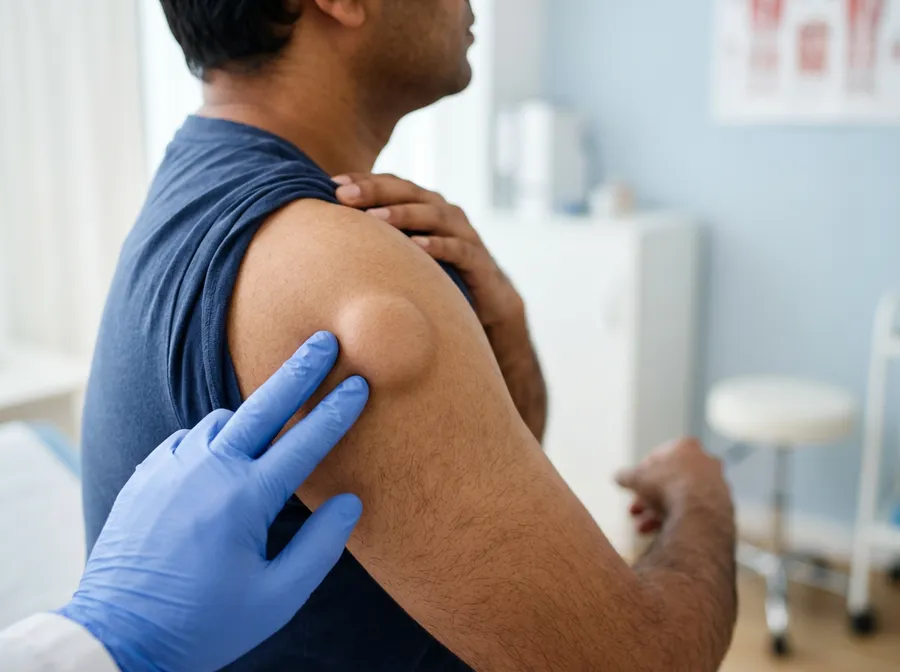
A lipoma is a slow-growing lump of fat cells under the skin. It feels soft or rubbery, moves slightly under the fingers and usually does not hurt. Lipomas are common on the shoulders, back, neck, arms and thighs, and some people have several. They are benign (not cancer).
A sebaceous cyst, more correctly called an epidermoid cyst, is a small sac under the skin filled with soft, cheesy material made by the skin. It feels firmer and rounder than a lipoma and often has a tiny dark dot (punctum) on its surface. Cysts are common on the face, neck, scalp, back and behind the ears. They can become infected, red and painful, and may burst with a bad-smelling discharge.
Neither turns into cancer in the usual course, but a lump that behaves differently from these patterns needs a proper check.
When should a lump be removed?
Not every lipoma or cyst needs surgery. Small, stable lumps that cause no discomfort can simply be watched. Removal is usually advised when:
- It is growing, or bothers you by its look, for example on the face, neck or arm
- It rubs against a belt, bra strap, collar or backpack, or presses when you sit or sleep
- A cyst has been infected once or keeps flaring
- There is any doubt about what the lump is
Diagnosis: what happens at the consultation
Dr. Sanjit Gogoi examines the lump, checking its size, feel, depth, mobility and the skin over it. In most cases a lipoma or a cyst can be recognised on examination alone.
An ultrasound is advised if the lump is large, deep, unusual in feel, or in an awkward area such as the neck or near a joint. An MRI is occasionally needed for big or deep lumps. Lumps in the groin or near the belly button can sometimes be a hernia rather than a lipoma, and he will check for that too. He then explains whether removal is needed, what the scar will look like, and how the day will go.
Treatment options
Watchful waiting
For small, typical lipomas that cause no discomfort, and quiet cysts, leaving them alone is a reasonable choice. You can come back if the lump changes.
Surgical excision (the standard treatment)
Removing the whole lump through a small incision is the most reliable treatment. For a lipoma, the fatty lump is shelled out completely. For a cyst, the aim is to remove the entire sac wall with it, because any lining left behind can lead to the cyst coming back.
Infected cysts: drain first, remove later
An infected, red, swollen cyst is not removed straight away, because inflamed tissue makes complete removal difficult and wound healing poor. It is treated with antibiotics and, if there is pus, a small incision to drain it. Once the inflammation settles, usually after four to six weeks, the cyst is removed properly.
Squeezing a cyst at home tends to push infection deeper, so it is better avoided.
How the procedure is done
- Before: no fasting is needed for most local anaesthesia procedures. Tell the team if you take blood thinners.
- Anaesthesia: the area is numbed with a local anaesthetic injection; you are awake and feel pressure but not sharp pain. Large or deep lumps may need sedation or general anaesthesia.
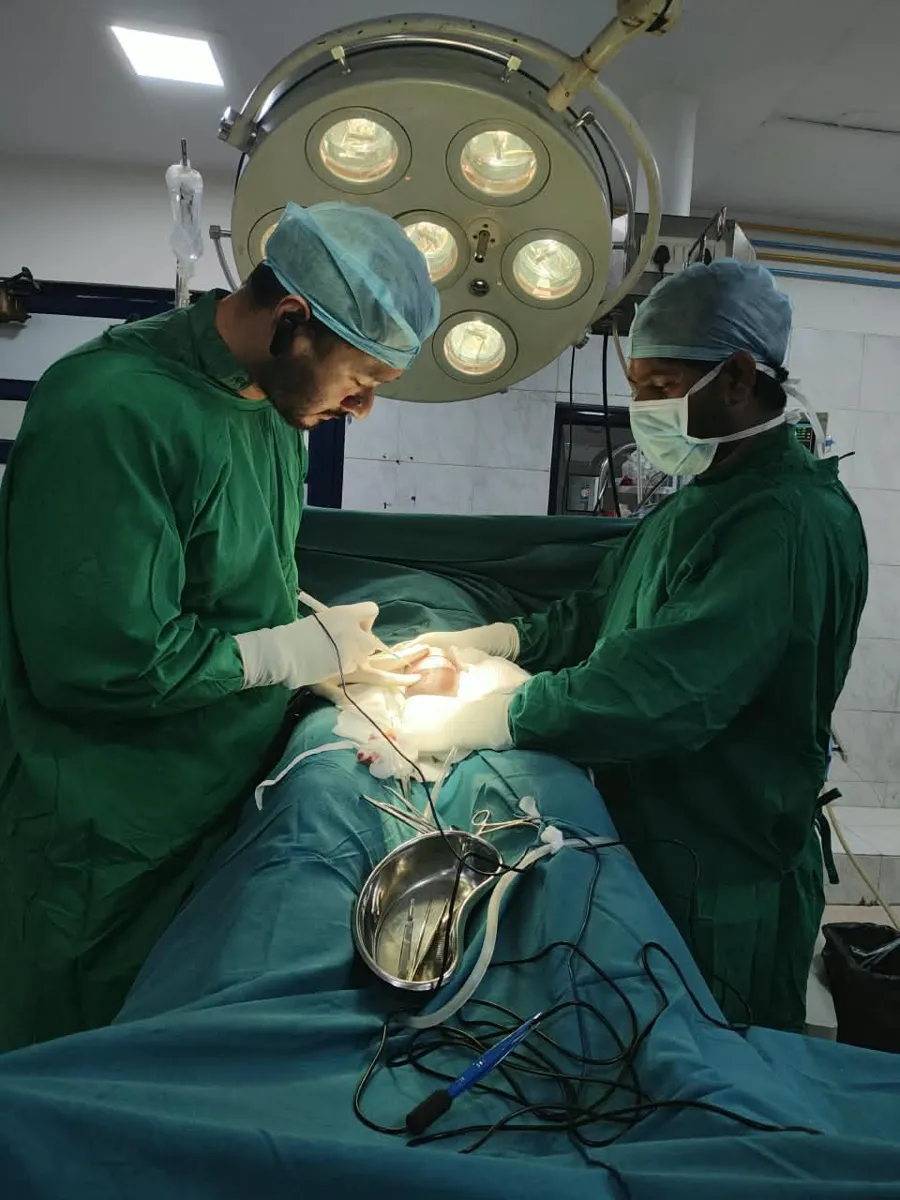
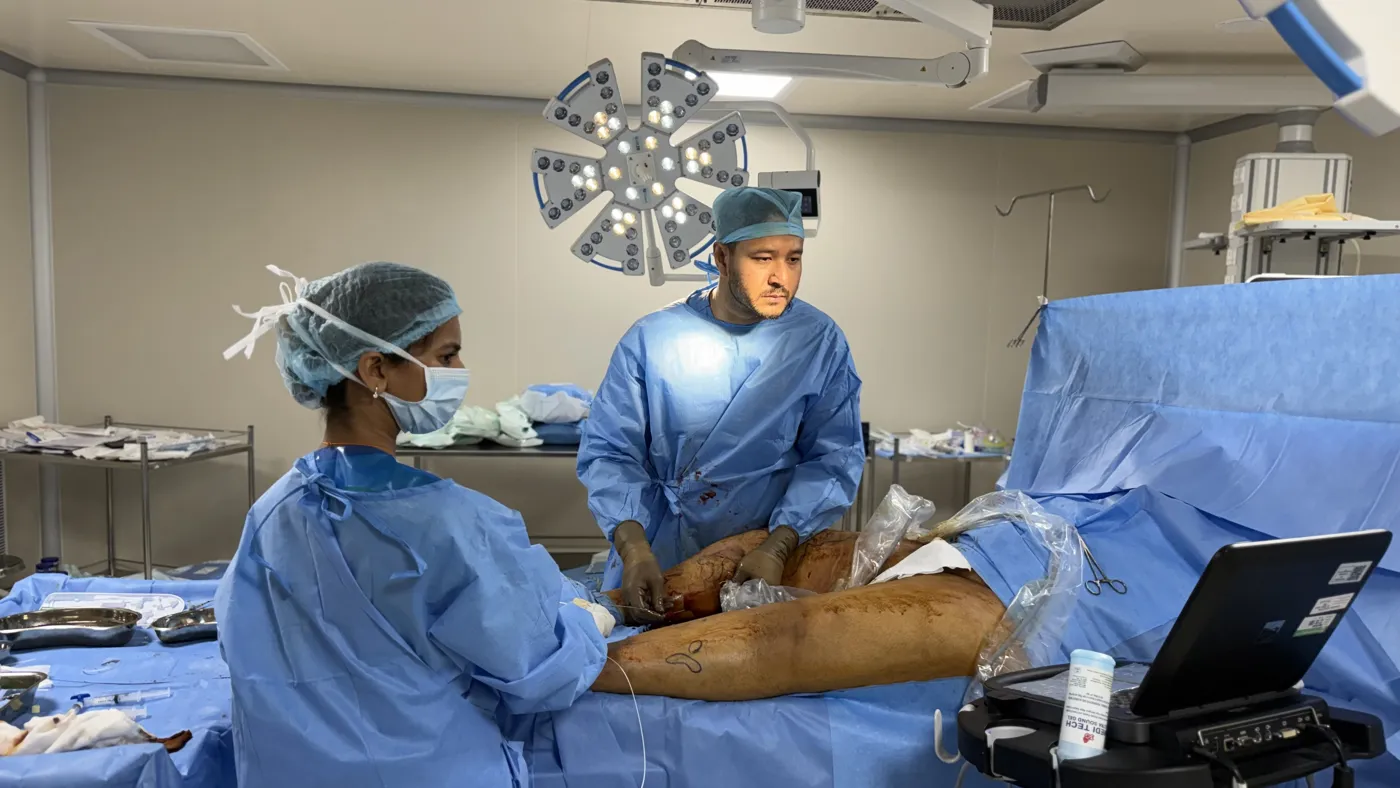
- Removal: a cut is made along the natural skin lines where possible, the lump is removed whole, and bleeding is controlled.
- Closure: the skin is closed neatly, often with fine or dissolvable stitches, for a small scar.
- Lab testing: the lump is sent for histopathology to confirm what it is. This is routine.
Most procedures take 20 to 45 minutes, and patients usually go home soon afterwards.
Recovery: what to expect
| Time | What to expect |
|---|---|
| Day 1 to 2 | Mild soreness, managed with simple pain tablets; keep the dressing dry |
| Day 2 to 3 | Back to desk work for most people; showering is usually allowed after 48 hours |
| Day 5 to 10 | Stitches removed (earlier on the face, later on the back) |
| Weeks 2 to 4 | Return to the gym and heavy lifting if the lump was on the back or shoulder |
The scar is pink at first and fades over several months. Keeping it out of strong sun helps. Call the team if the wound becomes increasingly red, hot or swollen, leaks pus, or if a firm swelling builds up under it in the first few days. These are uncommon and usually easy to deal with when seen early. Your lab report is discussed at the stitch-removal visit.
Risks and how they are reduced
Risks are low but include bleeding or a collection of blood under the skin, infection, a fluid collection, a wider or raised scar, and recurrence. Lipomas rarely come back after complete removal. Cysts can return if part of the wall is left, which is why infected cysts are allowed to settle before removal. Careful technique, closing along skin lines and good wound care reduce these risks.
Circumcision for phimosis
Dr. Sanjit also performs circumcision for adults and older boys with phimosis (a tight foreskin that cannot be pulled back), repeated infections of the foreskin, or painful splitting of the skin. It is usually a day care procedure under local or general anaesthesia, with dissolvable stitches. To discuss whether it is needed, book a consultation.
Cost, and why patients from Sarjapur Road, HSR and Bellandur see Dr. Sanjit
The cost of lump removal depends on the size, number and depth of the lumps, whether local or general anaesthesia is used, the histopathology fee and the hospital setting. For an estimate, book a consultation or send a photo of the lump on WhatsApp so the team can plan the right visit.
Dr. Sanjit holds an MS in General Surgery and the MRCS from the Royal College of Surgeons of Edinburgh, with about 18 years and more than 6,000 open, keyhole and laser procedures. Lipoma, cyst, hydrocele and circumcision procedures are a routine part of his work alongside laparoscopic surgery. He explains plainly whether a lump needs to come out at all, and patients keep a direct line for questions after the procedure.
He consults and operates at SPARSH Hospital, Sarjapur Road (Carmelaram) from 10 am to 5 pm, and sees patients at the evening clinic in Doddakannelli (3rd Floor, SGR-2, Sarjapur Main Road) from 5 pm to 8 pm, Monday to Saturday, by appointment. For families in Sarjapur Road, HSR Layout and Bellandur, that is a short drive (roughly 20 minutes from Bellandur and 25 from HSR Layout, traffic permitting), with an evening slot after work if you need one.
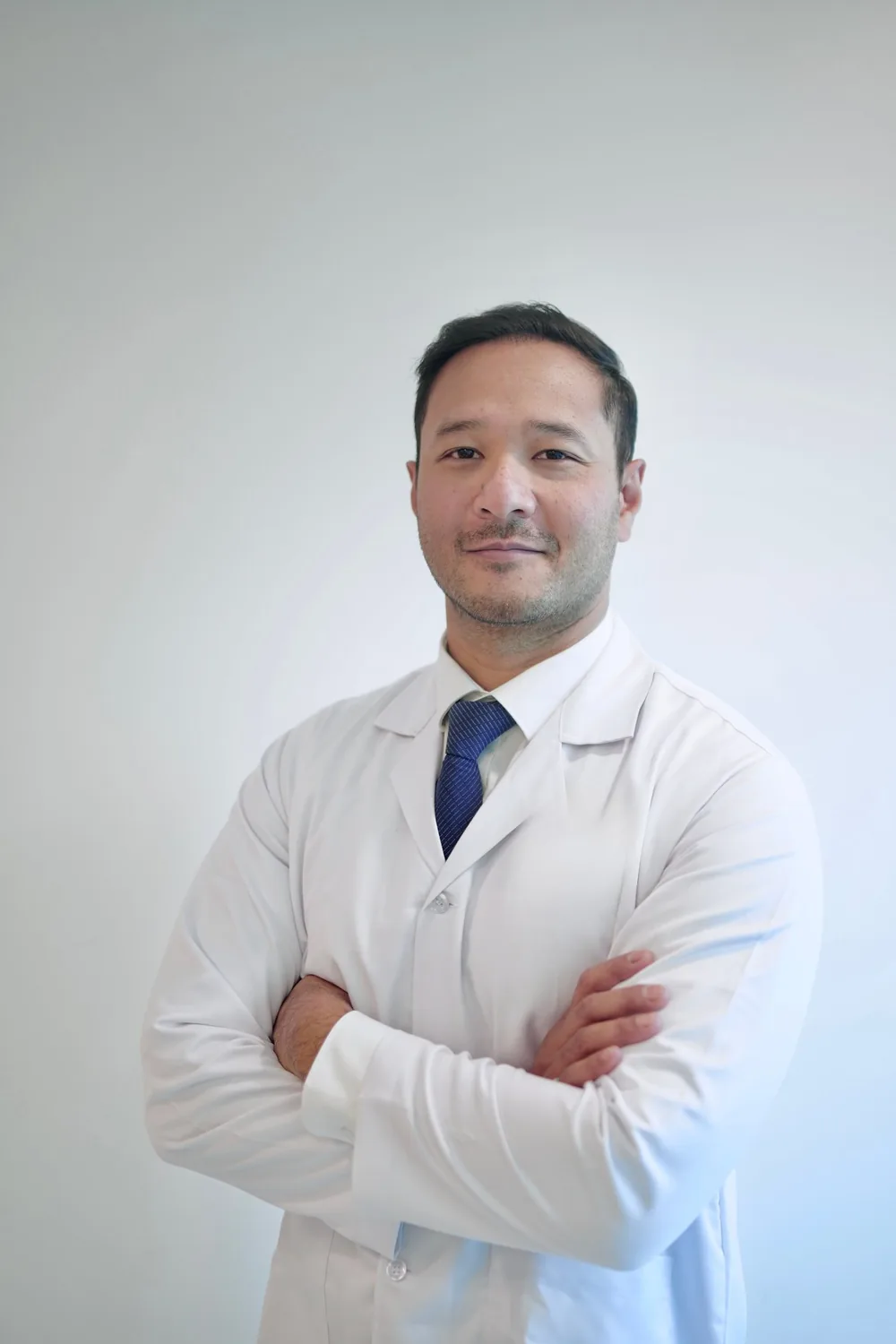
MBBS, MS (General Surgery), MRCS (Edinburgh). General and Minimal Access Surgeon with about 18 years in general, laparoscopic and laser surgery. Consults at SPARSH Hospital, Sarjapur Road (10 am – 5 pm) and his evening clinic in Doddakannelli (5 – 8 pm). KMC Reg. No. 96096. More about Dr. Sanjit